 Lastinger Learning
 New Worlds Reading
 Florida Tutoring Advantage
Data & Learning Technology
As education systems implement and expand technology in teaching and learning, the data used to inform learning design, enhance learning experiences and improve learning outcomes must remain secure and private.
In order to support secure access to educational data, the UF Lastinger Center built a robust data infrastructure, created a benchmark data sharing agreement and is developing purpose-built learning technologies that support student achievement.
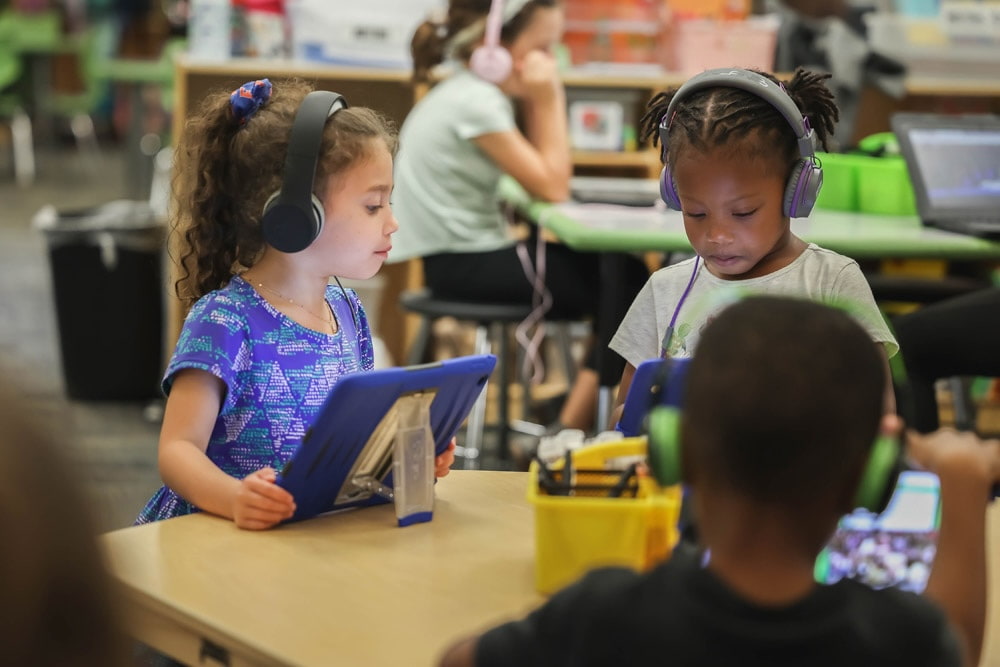
Data Privacy & Security
Watch Chris Sprowls – UF Lastinger Center Advisory Board Chair, former speaker of the Florida House of Representatives and parent – discuss the importance of student data privacy and security.
Secure Data Infrastructure
The Lastinger Center’s highly secure, robustly tested, and widely adopted data architecture unifies data from Lastinger Center programs, state assessment and other related data. De-identified data in this infrastructure is only accessible to researchers who have been approved for authorized research purposes.
Granting access to this data helps researchers identify student achievement patterns and opportunities for targeted teacher professional learning. As a steward of education data, the Lastinger Center maintains learner data according to the legal standards of the US and Florida, using the secure enterprise data systems of the University of Florida.
Data Sharing Agreements
Data sharing agreements (DSAs) are used to share data safely and securely in accordance with relevant state and federal laws and regulations. With the support of expert legal counsel, the Lastinger Center synthesized over one hundred DSA templates to develop the Guidance and Agreement for Data harmony, Responsibility, Retention, and Sharing (GADRRS).
GADRRS is a data sharing agreement template that serves as a benchmark for how to responsibly use education data, with privacy and data security as a top priority. GADRRS maintains the rigorous privacy standards established by the Family Educational Rights and Privacy Act (FERPA), and the legal standards of the US and Florida.
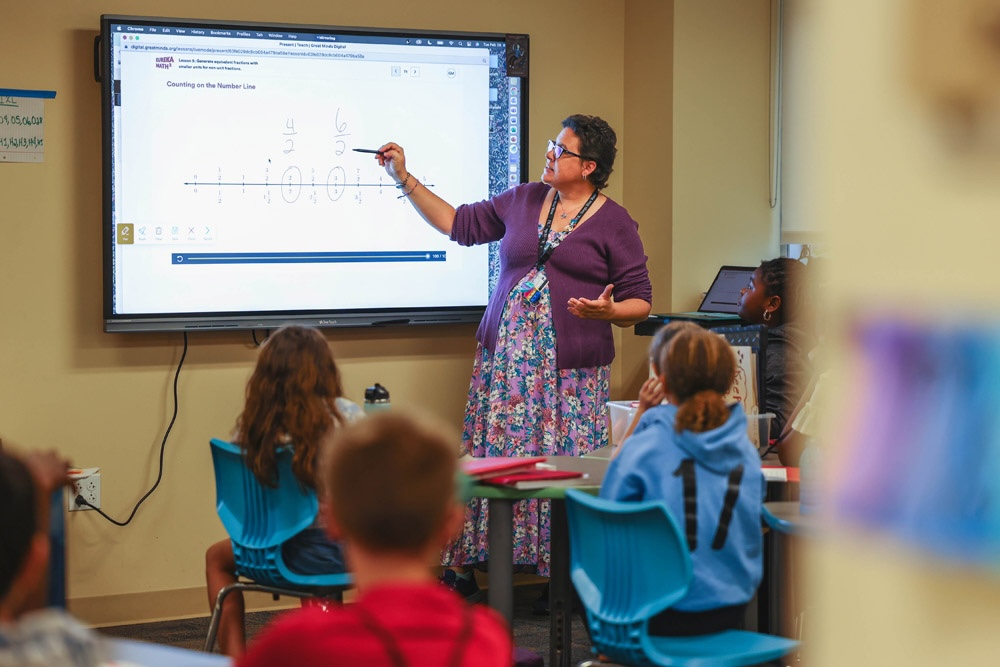
Education Research & Development
Florida invests $31.5B annually in education. To turn that investment into measurable student success and workforce development, the state needs secure, integrated data systems that power rapid learning, innovation and accountability.
Unlike sectors transformed by systematic research and development (R&D), such as medicine and technology, education still lacks the infrastructure to efficiently identify, develop and scale what works.
What is purpose-built AI?
Purpose-built AI are technologies designed in partnership with students, teachers and families, to support a specific learning goal or problem, in service of enhancing learning.
By following the models and recommendations of the U.S. Department of Education, the Lastinger Center is exploring use cases of purpose-built AI tools to better understand the viability of its use and develop safe, private, secure environments in which we can test, learn and innovate.
AR Expeditions
Designed to boost reading motivation for 3rd to 5th grade students in Florida who are reading below grade level, AR Expeditions is an application that transforms a paper book into an immersive experience.
Vollee
Partnering with Vollee, the UF Lastinger Center has developed an AI model to auto-grade assignments within the Early Literacy Micro-Credentials program to yield swift feedback and enable instructors to focus time on learners who need the most support.
ALTER-Math
In this program developed by UF College of Education affiliate faculty, Seminole County pilot students learned math concepts by “teaching” an AI chatbot that takes on the role of a learner.
Data & AI in Educational Research
Research Catalyst Awards
UF College of Education faculty members were awarded $400,000 by the Lastinger Center to support data-driven educational research. These projects utilize data securely housed in the Lastinger Data Lagoon, a robust system architecture that secures program data, state assessments, and other educational sources to advance teaching and learning outcomes.
Granting access to this data helps researchers identify student achievement patterns and opportunities for targeted teacher professional learning. As a steward of education data, the Lastinger Center maintains learner data according to the legal standards of the US and Florida, using the secure enterprise data systems of the University of Florida.
AIMS EduData Initiative
Through collaboration with the AIMS EduData Initiative, a researcher at the University of Utah will use data from the Lastinger Data Lagoon to develop a system using large language models to analyze teacher knowledge and provide recommendations for targeted professional development.
Pillars of Impact
How can education research and development be used to improve learning outcomes for Florida’s students?
- AI-powered student supports: Evaluate and deploy tools that personalize learning, close gaps, and prepare students for in-demand skills.
- Data-driven educator growth: Replace generic professional learning with competency-based pathways tailored by real-time evidence.
- Workforce alignment: Expand wage and occupation data elements to directly link education pathways to economic needs.
- Data visualization theaters: Regional data decision hubs allow leaders to test strategies, identify best practices, and scale what works.
- Smarter investments: Fast, transparent ROI analysis to maximize taxpayer value and accelerate improvement.
